
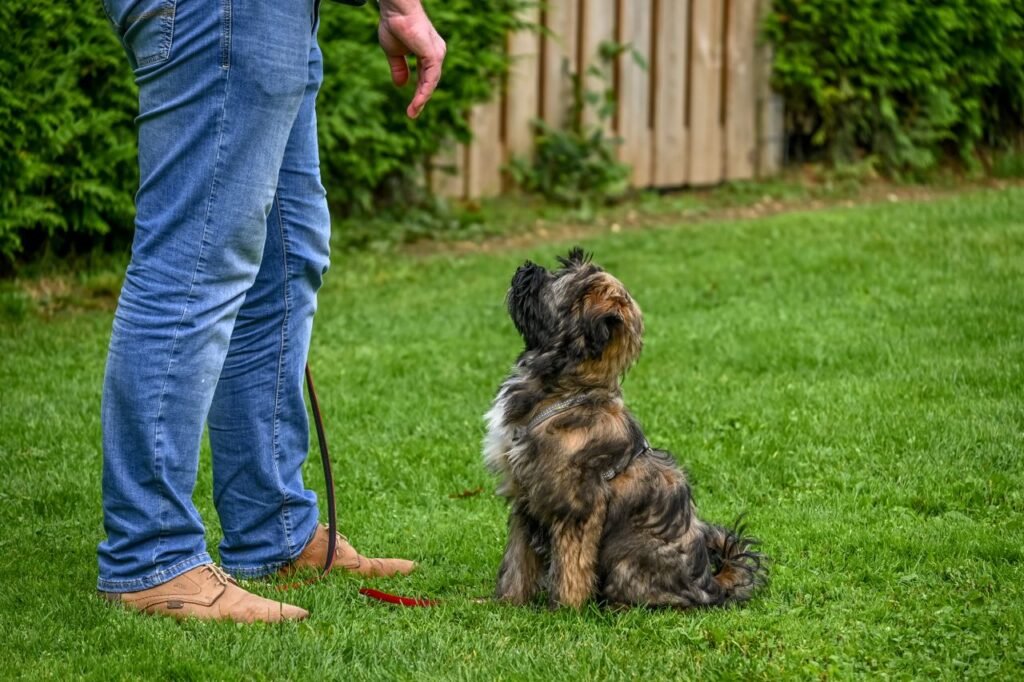
Training a dog is an important part of being a responsible pet owner . Because dog is a most smart and loyal animals that’s very faithful for their owner. They make great friend and learn many tasks with a little time and patience. A well-trained dog is easier to manage safer around people and in often of more animals is confident and comfortable in daily life .Dog training does not have to be difficult but it does require patience consistency and a good understanding dog.
If you have a young puppy or an adult dog you can teach basic commands and good habits through regular practice. The key of training positive, simple, and enjoyable for your dog. In the above blog explains some effective ways to train your dog and build a strong relationship with them.
1.Understand Your Dog Before Training
Before teaching anything it is important to understand your dog’s personality and behaviour. Dogs learn differently so observe your dog first it’s can help you choose the right approach.
Build Trust and Communication
A strong relationship is the foundation of successful dog training. Spending quality time with dog through playing, walking, and gentle interaction. When your dog trusts you they are more likely to listen and respond positively .
Use a calm and friendly voice during training. Avoid confusing your dog by changing commands frequently. For example, if the starting you use the “stand up ” ” sit down to continue using this words until its familiar.
Choose a Quiet Training Environment. do training in a quiet place with fewer distractions because A busy environment make it difficult for a dog to concentrate especially when they are learning something new. Once your dog understands a command at home their you can gradually practice in places with more distractions. Be Patient and Consistent Be Patient and Consistent
Dogs may not learn a new command immediately. Give them enough time to understand what you expect. Train regularly. Consistency is also important Everyone in the household should use similar commands and rules so that the dog does not become confused.
Teach Basic Commands
Basic commands are the foundation of training. Commands such as “Sit,” “Stay,”, “Go” and “Come” can help you communicate with your dog and manage them safely in everyday situations.
Teach Your Dog to “Sit” is one of the easiest commands to teach. Hold a small treat close to your dog’s nose and slowly move it upward and slightly backward. As your dog follows the treat, they will naturally move into a sitting position.As soon as your dog sits, say “Sit” clearly and reward them with the Repeat this several times during short training sessions. With regular practice now your dog learn to respond to the verbal command without needing to follow the treat.
Once your dog understands “Sit,” you can teach them “Stay.” Ask your dog to sit, then show your open hand and calmly say “Stay.” Take one small step backward.
Teach Your Dog to Come
The “Come” command is particularly useful for Your safety. Start in a secure quiet area. Say your dog’s name followed by “Come” in a cheerful voice. When your dog comes toward you, reward them with praise or a treat. Never use the “Come” command only for unpleasant, such as ending playtime. Your dog should learn postively
after the positive reinforcement is an effective way to encourage good behaviour. Instead of focusing only on correcting mistakes, reward your dog when they do something correctly.
Reward Good Behaviour
Rewards can include small treats, toys, or affection. Give the reward soon after the desired behaviour so your dog can understand what they are being rewarded for.
For example, if your dog sits when asked, immediately praise them and provide a small reward.
Avoid Harsh Punishment
Shouting and physically punishing a dog can create fear and may damage trust between you and your pet. Instead, calmly redirect unwanted behaviour.
For example, if your dog jumps on people, teach them to sit when greeting someone. Reward them when they keep all four paws on the floor. Keep Training Fun
Dogs learn better when training feels like a positive activity. Use an encouraging voice and short play sessions between exercises. If your dog becomes tired, distracted, or frustrated, take a break and continue later.
Develop Good Daily Habits
Training is not limited its a Everyday habits also play an important role in helping a dog become well-behaved.
Teach Good Walking Behaviour
Start leash training in a quiet area. Encourage your dog to walk beside you without any constantly pulling. When your dog walks calmly, reward them. Short, regular practice sessions can gradually improve leash behaviour.
Reduce Unwanted Behaviours
Dogs may bark excessively, chew objects, jump on people, or dig. Understanding why the behaviour happens and Provide appropriate toys for chewing, give your dog enough exercise, and teach an alternative behaviour. If a behaviour suddenly changes or becomes severe, consider consulting a qualified veterinarian or professional dog trainer.
Conclusion
Training a dog is a gradual process that requires patience, consistency, and positive communication. Start with simple commands such as “Sit,” “Stay,” and “Come,” and slowly introduce more challenging behaviours. Use rewards to encourage good behaviour and avoid harsh punishment.
Most importantly, remember that training is not just about making your dog obey commands. It is about building trust, improving communication, and helping your dog feel confident in everyday situations. With regular practice and a positive approach, you can help your dog develop good habits and create a stronger, happier bond with your pet.